Thursday, June 1, 2006


Tuesday, April 25, 2006
Nauseous Four Months Post Partum
La frottola , resa celebre da Isabella d'Este (1474-1539) della corte di Mantova, è una forma poetico musicale d'origine popolare derivata dalla ballata ,con strofe di 6 o 8 versi ottonari consistenti in una ripresa e due stanze. La frottola si svolgeva su differenti forme poetiche: la frottola vera e propria, lo strambotto, l'ode, il capitolo, il sonetto, le stanze di canzone. Tra i compositori di frottole ricordiamo Petrucci, Cara, Tromboncino, Aquilano, Bossinensis.
src="http://pagead2.googlesyndication.com/pagead/show_ads.js">

Monday, April 17, 2006
Kodak M1020 Audio Out Of Sync
The carnival songs
 The carnival songs were the soundtrack of the shows designed by Lorenzo de Medici for the enjoyment of the Florentines. The texts cover topics amorous or playful, presenting popular types (beggar, salesman, etc. ...), telling mythological stories of widespread knowledge, all with a folksy tone. Among the composers of carnival songs include: Coppinus Alexander, Alexander Agricola and Heinrich.
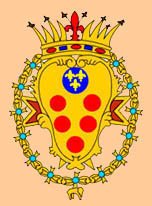 The carnival songs were the soundtrack of the shows designed by Lorenzo de Medici for the enjoyment of the Florentines. The texts cover topics amorous or playful, presenting popular types (beggar, salesman, etc. ...), telling mythological stories of widespread knowledge, all with a folksy tone. Among the composers of carnival songs include: Coppinus Alexander, Alexander Agricola and Heinrich.
 src="http://pagead2.googlesyndication.com/pagead/show_ads.js">
Adapting Old Printer Cable
forms
 The humanistic revival of the beginning of the '400 linked to the Latin language, had obscured the pre-existing forms in the vernacular Italian Ars nova. The return to singing in Italian occurred in ' last two decades thanks to the '400 Lorenzo de Medici, the Magnificent, which evoked in Florence, the composition of carnival songs, and to Isabella d'Este who is responsible for the revival and development of the court of Mantua lies. The common features of these forms sixteenth ( carnacialeschi songs, tall tales, villanelle, songs and dances ) are: strophic structure, literary style (even with the use of dialect) and the prevalence of homophonic writing-chord 3 or 4 entries. Although the composition is for voices only, in most of the executions was only sung louder and leaving the other parties to the instruments, especially the lute.
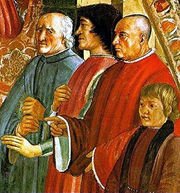 The humanistic revival of the beginning of the '400 linked to the Latin language, had obscured the pre-existing forms in the vernacular Italian Ars nova. The return to singing in Italian occurred in ' last two decades thanks to the '400 Lorenzo de Medici, the Magnificent, which evoked in Florence, the composition of carnival songs, and to Isabella d'Este who is responsible for the revival and development of the court of Mantua lies. The common features of these forms sixteenth ( carnacialeschi songs, tall tales, villanelle, songs and dances ) are: strophic structure, literary style (even with the use of dialect) and the prevalence of homophonic writing-chord 3 or 4 entries. Although the composition is for voices only, in most of the executions was only sung louder and leaving the other parties to the instruments, especially the lute.
 src="http://pagead2.googlesyndication.com/pagead/show_ads.js">
Backyard Playset Sailboat
Italian folk-secular polyphony in Europe
 Throughout the sixteenth the best singers were the ones they had studied in the major poet of Flanders . Flemish composers of the century were the major , a example was Orlando di Lasso (picture left) (Mons 1532 - Monaco di Baviera 1594). Others, however, became capiscuola new approaches to music as Adriano Willaert (Bruges about 1490. - Venice 1562).
Other important composers include Cipriano de Rore (Mechelen 1516 - Parma 1565), Philip de Monte (Mechelen 1521 - Prague 1603) and de Wert Giaches (Antwerp 1535 - Mantua 1596). 
Thanks to the spread of counterpoint by Flemish masters and singers had given a international character to the music sacred and profane . This cosmopolitanism favored the dissemination of texts on French chanson . A testimony to the spread and importance of songs in Italy in 1500 you with Ottaviano Petrucci who published collections of chansons (the Odhecaton and other collections). In the last decades of the fifteenth century, polyphonic music is laced with all major languages \u200b\u200bin the national birthing Villancicos in Spain, Lieder in Germany, carnacialeschi songs and tall tales in Italia. Più avanti si imposero anche il madrigale italiano e la chansons. L'acquisizione delle caratteristiche nazionali fu uno degli elementi che più contraddistinse la storia delle polifonie profane del '500: prima e più importante di tutte, quella italiana.

Pro 10 Hair Extension Wholesale
JOHN GABRIEL
 Giovanni Gabrieli (Venezia 1554 ca.-1612), nipote di Andrea Gabrieli , proseguì l'opera di suo zio rendendola ancora più varia. Anche lui fu molto stimato by his contemporaries as well as for its technical organ, for his compositions. Most of his works are destination polychoral sacred structure. He grew, in relation to Andrew, the careful observance of the pace of the declamation of the words and phrases. His concept of music already belongs to the Baroque, its polychorality mixed voices and instruments has made an exercise of "concertante style."
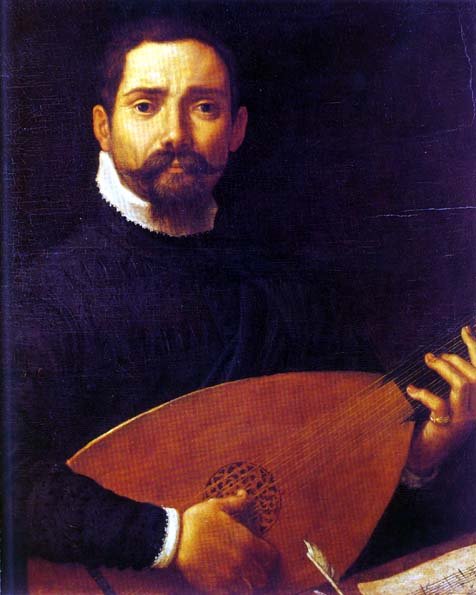 Giovanni Gabrieli (Venezia 1554 ca.-1612), nipote di Andrea Gabrieli , proseguì l'opera di suo zio rendendola ancora più varia. Anche lui fu molto stimato by his contemporaries as well as for its technical organ, for his compositions. Most of his works are destination polychoral sacred structure. He grew, in relation to Andrew, the careful observance of the pace of the declamation of the words and phrases. His concept of music already belongs to the Baroque, its polychorality mixed voices and instruments has made an exercise of "concertante style."
 src="http://pagead2.googlesyndication.com/pagead/show_ads.js">
Friday, April 14, 2006
Demonia Bootsbreak-in
Andrea Gabrieli
 Andrea Gabrieli, (Venezia 1510 ca-1586) fu un famoso organista e, soprattutto, compositore. Egli tratto tutti i generi: dal vocale sacro al profano allo strumentale, tutti in stile veneziano. A. Gabrieli fu tra i primi a comporre i madrigali a 3 voci secondo la tecnica del contrappunto imitato. Godendo di molta stima e fama tra i contemporanei, ricevette compiti di notevole spessore da parte della Serenissima e non solo: egli scriveva la musica per i momenti più importanti e ufficiali.
 Andrea Gabrieli, (Venezia 1510 ca-1586) fu un famoso organista e, soprattutto, compositore. Egli tratto tutti i generi: dal vocale sacro al profano allo strumentale, tutti in stile veneziano. A. Gabrieli fu tra i primi a comporre i madrigali a 3 voci secondo la tecnica del contrappunto imitato. Godendo di molta stima e fama tra i contemporanei, ricevette compiti di notevole spessore da parte della Serenissima e non solo: egli scriveva la musica per i momenti più importanti e ufficiali.
Wednesday, April 12, 2006
Piture Of A Cake To Color
the Venetian school
 La scuola romana expressed the well-known a cappella style that spread throughout Europe with the exception of the Catholic basilica of San Marco in Venice where formed a sacred repertoire very different: more a cappella style, even cultivated, were appreciated the compositions in which the items were mixed instruments , that could be two bodies of stringed instruments (viola) and wind (Cornet, trombone). Very often, the compositions were performed at polyvocal choirs divided, that is, two, three or four groups sing and play together, but in distant areas within the church. The music had Venetian magnificence of characters, di colore e di ricchezza sonora perché le esecuzioni non erano abbinate solo ad eventi sacri, ma anche politici. La cappella musicale di S.Marco aveva il compito di celebrare i maggiori eventi della Repubblica Veneziana. Venezia , nel XVI secolo, era ancora il centro economico più ricco d'Italia ed era molto influente politicamente . La musica non doveva essere da meno. Tra i maestri della Cappella si ricordano: Willaert, Cipriano de Rore (1563-64), Zarlino (1565-90), Croce detto il Chiozzotto (1603-09), Monteverdi (1613-43), Cavalli (1668-76) e Legrenzi (1685-90); tra gli organisti: Buus, Parabosco, Merulo, Padovano, Andrea Gabrieli (1566-86) and Giovanni Gabrieli (1584-1612). The latter (A. Gabrieli and G. Gabrieli).
 La scuola romana expressed the well-known a cappella style that spread throughout Europe with the exception of the Catholic basilica of San Marco in Venice where formed a sacred repertoire very different: more a cappella style, even cultivated, were appreciated the compositions in which the items were mixed instruments , that could be two bodies of stringed instruments (viola) and wind (Cornet, trombone). Very often, the compositions were performed at polyvocal choirs divided, that is, two, three or four groups sing and play together, but in distant areas within the church. The music had Venetian magnificence of characters, di colore e di ricchezza sonora perché le esecuzioni non erano abbinate solo ad eventi sacri, ma anche politici. La cappella musicale di S.Marco aveva il compito di celebrare i maggiori eventi della Repubblica Veneziana. Venezia , nel XVI secolo, era ancora il centro economico più ricco d'Italia ed era molto influente politicamente . La musica non doveva essere da meno. Tra i maestri della Cappella si ricordano: Willaert, Cipriano de Rore (1563-64), Zarlino (1565-90), Croce detto il Chiozzotto (1603-09), Monteverdi (1613-43), Cavalli (1668-76) e Legrenzi (1685-90); tra gli organisti: Buus, Parabosco, Merulo, Padovano, Andrea Gabrieli (1566-86) and Giovanni Gabrieli (1584-1612). The latter (A. Gabrieli and G. Gabrieli).
 src="http://pagead2.googlesyndication.com/pagead/show_ads.js">
Monday, April 10, 2006
Custom Made Candle Molds
Giovanni Pierluigi da Palestrina
 Giovanni Pierluigi Palestrina was born in , the hills of Lazio, in 1524-25 . He stayed on the very important roles: as a singer began in the Chapel of Liberia, was organist and singing teacher in the cathedral of Palestrina and, finally, was master of the Cappella Giulia and singer in the Sistine Chapel of Rome, the city where he lived until the death in 1594.
 Giovanni Pierluigi Palestrina was born in , the hills of Lazio, in 1524-25 . He stayed on the very important roles: as a singer began in the Chapel of Liberia, was organist and singing teacher in the cathedral of Palestrina and, finally, was master of the Cappella Giulia and singer in the Sistine Chapel of Rome, the city where he lived until the death in 1594.
 Palestrina became famous for his sacred compositions and his use of counterpoint . Palestrina was estimated by both the musical contemporaries, that the after-effects. During the Romantic cult of Palestrina increased dramatically with the publication of his biography by Pope Marcellus.
Palestrina's work consists almost entirely of polyphonic text-latin or, for the holy Catholic choirs for services. He wrote 102 put 4 or 5 entries, fewer than 6 and 8, the best known are: Missa brevis, Iste Confessor, Aeterna Christi Munera, Dies sanctificatus, Salve Regina, Pope wore the collars and Marcelli. The other form was widely used by Palestrina motet , 307 among which he wrote: Super flumina Babylonis, Pueri haebreorum, Song of Songs and the Stabat Mater.
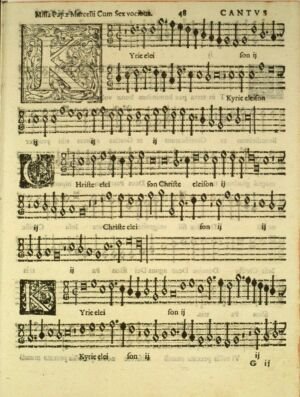 The music of Palestrina to contemporary embodied the religious sentiment of the Counter-Roman and for posterity was one of the purest ideals of harmonious and Catholic sacred music. One of the merits of the creations of Palestrina, and the simplicity of means employed, starting with melodies that are combined into the fabric to the polyphonic harmonies formed by simple sequences of triads, ranged from passing notes and preparations and delays caused by the movement of parts. The discourse of the parties, then, is fluid thanks to a masterly conduct of the parties and contrapuntal combinations of items continually change.
src="http://pagead2.googlesyndication.com/pagead/show_ads.js">
Saturday, April 8, 2006
Women Wearing Open Girdles And Stockings
The culmination of sacred polyphony

In areas of Europe that were influenced by the religious reforms, sacred polyphony touched the artistic higher. The meeting between the Flemish counterpoint and melodic taste nascent had led to a new European-style polyphonic . The simplification of vocal counterpoint was embodied in a cappella style , that is for only items that led to the purification of expression that is the peculiar character of this artistic civilization. A cappella style developed in Italian cathedrals (except Venice), and touched the top art with composers such as Orlando di Lasso, Palestrina, Byrd and Luis da Victoria.
-THE ROMAN SCHOOL : S econd half of the fifteenth century the popes took care and improved continuously choirs of the Roman basilicas. This led the school to have a polyphonic Roman primacy in sacred music of the Renaissance . The oldest Roman Chapel Sistine was ordered by Pope Sixtus IV, followed by the Cappella Giulia, the Liberian Chapel, Chapel Pia. The most successful musicians of the Roman School were: Palestrina, Costanzo Festa (1480 ca.-1545), little soul John (1514-1571), Giovanni Maria Nanino (1544-1607) and Felice Anerio (1560 ca.-1614). The Roman school of polyphony continued its activity in the first part of the seventeenth century , distinguished by a taste of polychorality Baroque, of which the best known exponent is Orazio Benevolent .
src="http://pagead2.googlesyndication.com/pagead/show_ads.js">
Thursday, April 6, 2006
Buy Metal Core Wheels In Bulk
The Catholic counter
 Due to the rapid expansion of new religious reforms, Pope Paul III convened the Council of Trent (1545-1563) for defined lines of engagement of the Catholic Counter Reformation. The sacred music was the subject of discussion and changes were: the abolition of all sequences with the exception of 5, the prohibition of using secular cantus sign in composition of polyphonic masses and the requirement that, in polyphonic compositions, the words were clearly intelligible.
 Due to the rapid expansion of new religious reforms, Pope Paul III convened the Council of Trent (1545-1563) for defined lines of engagement of the Catholic Counter Reformation. The sacred music was the subject of discussion and changes were: the abolition of all sequences with the exception of 5, the prohibition of using secular cantus sign in composition of polyphonic masses and the requirement that, in polyphonic compositions, the words were clearly intelligible.
 -THE POLYPHONIC LAUDA : In the second half of the century, especially in Rome, had followed the great activities sponsored by S. Blacks Filippo (1515-1595), founder of the Congregation of the Oratory, also called the Fippini . Speakers at the religious services were made only from the sermon, the prayers and readings from song of praise to 3-4 polyphonic voices in chordal style, with lyrics in Italian. With the spread of the order of the Philippines also gained more and more polyphonic lauda reputation.
src="http://pagead2.googlesyndication.com/pagead/show_ads.js">
Monday, April 3, 2006
Sample Of A Welcome Song
Reforms religious music of the sixteenth century and the tradition
 L ' religious unity that Christianity was able to maintain throughout the Middle Ages, was broken in the sixteenth century with the emergence of various reform movements . People like Martin Luther (1483-1546), John Calvin (1509-1564) of England and King Henry XVIII Tudor were the protagonists of these reforms. Following the reform changed the religious ceremonies and the role and the form of sacred music, therefore, was modified. A common consequence of the reforms was the replacement of Latin with the national language in the rituals of the Reformed churches.
 L ' religious unity that Christianity was able to maintain throughout the Middle Ages, was broken in the sixteenth century with the emergence of various reform movements . People like Martin Luther (1483-1546), John Calvin (1509-1564) of England and King Henry XVIII Tudor were the protagonists of these reforms. Following the reform changed the religious ceremonies and the role and the form of sacred music, therefore, was modified. A common consequence of the reforms was the replacement of Latin with the national language in the rituals of the Reformed churches.
 -THE LUTHERAN CONFESSION AND THE CHOIR : The Lutheran was certainly the most important with regard to music. Martin Luther, the founder, was a connoisseur of the sacred music of his time and the Lutheran Mass for the faithful wanted to interact with the choral singing. The choir had thus a function that can be compared to that of Gregorian chant in the Middle Ages. The chorales were sung in unison by accompanied, if necessary, organ or other instruments.
-Huguenots and the chanting of psalms : More severe was, however, thought that Calvin in his post limited space for music admitting only the singing of psalms . The practical problem of this choice was related to the preparation of repertoire that took several years and was the work of famous poets and musicians of the era including Marot, Beza, and Bourgeois Goudimel.
-THE SONG AND THE ANGLICAN "Anthems" : The Anglican Church was the one who brought fewer changes in the liturgy. The main innovations were the Prayer Book (= prayer book) in 1549 the Archbishop of Canterbury, Cranmer Th in English and Book of Common Prayer Noted (= Book of Common Prayer set to music) contains the songs for the main prayers.
src="http://pagead2.googlesyndication.com/pagead/show_ads.js">
Friday, March 31, 2006
Moving Lump In Throat
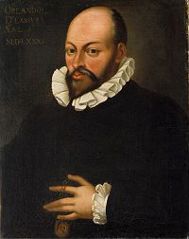 Throughout the sixteenth the best singers were the ones they had studied in the major poet of Flanders . Flemish composers of the century were the major , a example was Orlando di Lasso (picture left) (Mons 1532 - Monaco di Baviera 1594). Others, however, became capiscuola new approaches to music as Adriano Willaert (Bruges about 1490. - Venice 1562).
 Other important composers include Cipriano de Rore (Mechelen 1516 - Parma 1565), Philip de Monte (Mechelen 1521 - Prague 1603) and de Wert Giaches (Antwerp 1535 - Mantua 1596).
src="http://pagead2.googlesyndication.com/pagead/show_ads.js">
Big Green Egg Store Locator
Flemish Renaissance Flemish masters
 The term Renaissance was coined in the mid nineteenth century by Jules Michelet and Jacob Burckhard , two historians, to indicate the artistic culture and thought flourished for centuries XV and XVI , first in Italy and then in other regions. The Renaissance is the period of cultural renaissance in Europe.
MUSIC AND CIVILIZATION 'RENAISSANCE : to Renaissance music polyphonic means the production, both vocal and instrumental, between the mid-fifteenth century and the end of the XVI . During the Renaissance all arts flourished, and the music was present in all events of social life than politics. The choirs were formed by the best professionals and the Church was celebrating its rites with splendor and magnificence. The secular music was even more popularity and dissemination of dance greatly facilitate the development of instrumental music. The need to make music for entertainment by professionals or not, was a feature of the Renaissance period. Every gentleman must have had a musical education . 
 The term Renaissance was coined in the mid nineteenth century by Jules Michelet and Jacob Burckhard , two historians, to indicate the artistic culture and thought flourished for centuries XV and XVI , first in Italy and then in other regions. The Renaissance is the period of cultural renaissance in Europe.
 MUSIC AND CIVILIZATION 'RENAISSANCE : to Renaissance music polyphonic means the production, both vocal and instrumental, between the mid-fifteenth century and the end of the XVI . During the Renaissance all arts flourished, and the music was present in all events of social life than politics. The choirs were formed by the best professionals and the Church was celebrating its rites with splendor and magnificence. The secular music was even more popularity and dissemination of dance greatly facilitate the development of instrumental music. The need to make music for entertainment by professionals or not, was a feature of the Renaissance period. Every gentleman must have had a musical education .
src="http://pagead2.googlesyndication.com/pagead/show_ads.js">
Wednesday, March 29, 2006
Friendship Poems With Background
: from Ockeghem to Josquin des Prez
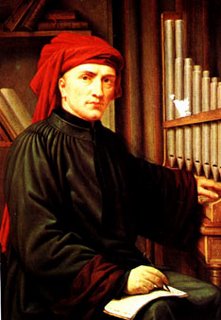 For Flemish musicians means the centuries XV and XVI which were formed in the choirs of the cities of Flanders , corresponding to the central and southern provinces of Holland and Belgium and some northern provinces of France. The development of musical culture was possible thanks to the favorable economic conditions and widespread prosperity enjoyed by this region from the fourteenth century. The chapels of Flanders singers formed the best and most famous composers of the time. The first important
Flemish composer Johannes Ockeghem was (East Flanders around 1420 - Tours 1495). He was the first singer in the cathedral of Antwerp and Moulins, then became treasurer of the Abbey di S.Martino a Tours, una carica di grande responsabilità. Ockeghem è ricordato come prototipo dei compositori fiamminghi che svilupparono i più sottili artifici della scrittura canonica. Tra le sue composizioni ricordiamo Missa prolationum nella quale sono variamente combinate le indicazioni di tempo e la Missa cuiusvis toni che si può eseguire su qualsiasi scala tonale.
Il compositore fiammingo più importante è, invece, Josquin des Prèz (foto a sinistra)(Hainaut 1440 circa – Condé-sur-l'Escaut 1521). Josquin godette di grande stima sia tra i contemporanei che tra i postumi. Fu cantore nella Cappella del Duomo di Milano, nella cappella pontificia a Roma e alla corte di molte personalità dell'epoca (Sforza, Luigi XII re di Francia, ...). Il grande merito storico di Josquin è quello di aver posto l'attenzione nello stabilire rapporti di coerenza espressiva tra il testo è l'invenzione musicale .
-I LORO CONTEMPORANEI : Tra i compositori contemporanei a Josquin e Ockeghem ricordimo: Jacob Obrecht (1452 ca.- Ferrara 1505), Heinrich Isaac (1450 ca.- Firenze 1517. Fu a servizio di Lorenzo il Magnifico) e Pierre de la Rue (1460 ca.- Courtrai 1518. Fu a servizio dell'arciduca Filippo il Bello).
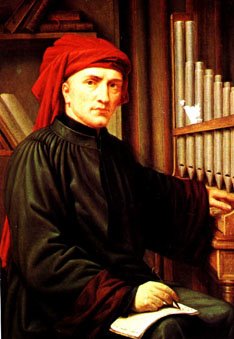 For Flemish musicians means the centuries XV and XVI which were formed in the choirs of the cities of Flanders , corresponding to the central and southern provinces of Holland and Belgium and some northern provinces of France. The development of musical culture was possible thanks to the favorable economic conditions and widespread prosperity enjoyed by this region from the fourteenth century. The chapels of Flanders singers formed the best and most famous composers of the time. The first important
 Flemish composer Johannes Ockeghem was (East Flanders around 1420 - Tours 1495). He was the first singer in the cathedral of Antwerp and Moulins, then became treasurer of the Abbey di S.Martino a Tours, una carica di grande responsabilità. Ockeghem è ricordato come prototipo dei compositori fiamminghi che svilupparono i più sottili artifici della scrittura canonica. Tra le sue composizioni ricordiamo Missa prolationum nella quale sono variamente combinate le indicazioni di tempo e la Missa cuiusvis toni che si può eseguire su qualsiasi scala tonale.
Il compositore fiammingo più importante è, invece, Josquin des Prèz (foto a sinistra)(Hainaut 1440 circa – Condé-sur-l'Escaut 1521). Josquin godette di grande stima sia tra i contemporanei che tra i postumi. Fu cantore nella Cappella del Duomo di Milano, nella cappella pontificia a Roma e alla corte di molte personalità dell'epoca (Sforza, Luigi XII re di Francia, ...). Il grande merito storico di Josquin è quello di aver posto l'attenzione nello stabilire rapporti di coerenza espressiva tra il testo è l'invenzione musicale .
-I LORO CONTEMPORANEI : Tra i compositori contemporanei a Josquin e Ockeghem ricordimo: Jacob Obrecht (1452 ca.- Ferrara 1505), Heinrich Isaac (1450 ca.- Firenze 1517. Fu a servizio di Lorenzo il Magnifico) e Pierre de la Rue (1460 ca.- Courtrai 1518. Fu a servizio dell'arciduca Filippo il Bello).

Sunday, March 26, 2006
Update Microsoft Dbase Odbc Driver
School English
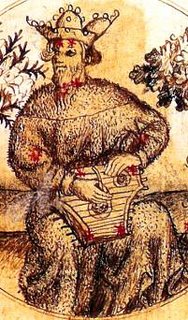 A partire dal XII secolo in Inghilterra si iniziò a sviluppare un contrappunto diverso da quello continentale che si caratterizzò per l'utilizzo di procedimenti paralleli di terze e di seste . Furono i teorici inglesi a riconoscere l'intervallo di terza come consonante . Le composizioni inglesi del XIV secolo, soprattutto conductus e mottetti , erano in genere a 3 parti che spesso si muovevano parallelamente per terze e seste. Il più famoso esempio di composizione dell'epoca è la rota (Canon) "Sumer is icumen in " which dates from around 1240.
After the Hundred Years War, many musicians moved to England across the English Channel doing so with the "English descant " on the third and sixth, which was learned and adopted, but with the cantus firmus in the upper voice. This kind of descant took the name of faux-bourdon ( false drone). The most famous was the English composer John Dunstable (1380-1453) , he greatly influenced other composers of both home and comtinentali including: Dufay, Binchois, Busnois. Other composers were: Leonel Power, John Benet.
 A partire dal XII secolo in Inghilterra si iniziò a sviluppare un contrappunto diverso da quello continentale che si caratterizzò per l'utilizzo di procedimenti paralleli di terze e di seste . Furono i teorici inglesi a riconoscere l'intervallo di terza come consonante . Le composizioni inglesi del XIV secolo, soprattutto conductus e mottetti , erano in genere a 3 parti che spesso si muovevano parallelamente per terze e seste. Il più famoso esempio di composizione dell'epoca è la rota (Canon) "Sumer is icumen in " which dates from around 1240.
 After the Hundred Years War, many musicians moved to England across the English Channel doing so with the "English descant " on the third and sixth, which was learned and adopted, but with the cantus firmus in the upper voice. This kind of descant took the name of faux-bourdon ( false drone). The most famous was the English composer John Dunstable (1380-1453) , he greatly influenced other composers of both home and comtinentali including: Dufay, Binchois, Busnois. Other composers were: Leonel Power, John Benet.

Saturday, March 25, 2006
How To Get Exclusive Rights
polyphonic Masses, motets and chansons
Con lo sviluppo delle cappelle musicali crebbe notevolmente il numero delle composizioni sacre , in particolare le messe e i mottetti . Lo sviluppo del contrappunto portò alla disposizione a quattro parti vocali : il cantus o discantus o superius, da cui soprano; contratenor altus o altus, da cui contralto; tenor, tenore; contratenur bassus o semplicemente bassus, da cui basso.
Il mottetto , a 3 o 4 voci, era strutturato come una successione di più brani concatenati, in ognuna dei quali era sviluppata una frase del testo letteraria. Nel XV secolo il mottetto era diventato la forma esclusiva della polifonia sacra cantata durante le cerimonie del culto.
La chansons , di solito a 3 voci, nacque come una fusione delle forme profane dell'epoca. Il testo era in francese e parlava di storie amorose.

Thursday, March 23, 2006
Where Can I Buy Led Wallpaper
imitative counterpoint
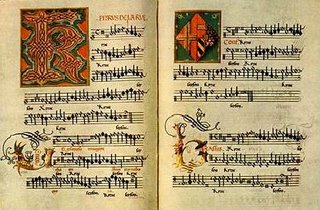 La tecnica del contrappunto fu definita durante il XV secolo e conobbe subito una vasta diffusione. Essa si basa sul principio dell' imitazione , libera o rigorosa, che contraddistingue l'elemento attivo capace di assicurare l'unità temetica delle composizioni. Nel contrappunto imitato c'è quindi una voce che espone un motivo (o soggetto ) chiamato dux ed altre che rispondono variandolo ( comes ), Nel XV secolo i maestri chiamavano l'imitazione canone e lo differenziavano in: canone mensurale e canone enigmatico . Nel primo una stessa melodia era eseguita contemporaneamente da più cantori, con ritmi e durate diverse. Tra i canoni mensurali ricordiamo: l' Agnus Dei della Missa "L'homme armé" of Pierre de la Rue . Enigmatic in the canons, however, appeared only on the ground that was used as a dux, and the response was not expressed in the notation but hidden under a riddle to solve. The fees are an example of the enigmatic intellectual conception in the period of transition from the Middle Ages to the Renaissance that sought symbols, troubleshoot devices, etc. .... Some examples of enigmatic canons can be found in 'Exemplary that seminal essay practical counterpoint (1774-75) of
father GB Martini.
src="http://pagead2.googlesyndication.com/pagead/show_ads.js">

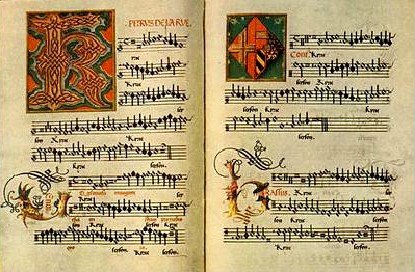 La tecnica del contrappunto fu definita durante il XV secolo e conobbe subito una vasta diffusione. Essa si basa sul principio dell' imitazione , libera o rigorosa, che contraddistingue l'elemento attivo capace di assicurare l'unità temetica delle composizioni. Nel contrappunto imitato c'è quindi una voce che espone un motivo (o soggetto ) chiamato dux ed altre che rispondono variandolo ( comes ), Nel XV secolo i maestri chiamavano l'imitazione canone e lo differenziavano in: canone mensurale e canone enigmatico . Nel primo una stessa melodia era eseguita contemporaneamente da più cantori, con ritmi e durate diverse. Tra i canoni mensurali ricordiamo: l' Agnus Dei della Missa "L'homme armé" of Pierre de la Rue . Enigmatic in the canons, however, appeared only on the ground that was used as a dux, and the response was not expressed in the notation but hidden under a riddle to solve. The fees are an example of the enigmatic intellectual conception in the period of transition from the Middle Ages to the Renaissance that sought symbols, troubleshoot devices, etc. .... Some examples of enigmatic canons can be found in 'Exemplary that seminal essay practical counterpoint (1774-75) of
 father GB Martini.
src="http://pagead2.googlesyndication.com/pagead/show_ads.js">
Baptism Thank You Wording
BIRTH OF THE CHAPEL SINGERS AND MUSICAL
Durante il XV secolo la figura del musicista si affermò come ruolo professionale . Questo favorì la nascita delle cappelle musicali che formavano professionalmente i cantori, che erano così capaci di affrontare composizioni polifoniche molto complesse. Tra le cappelle più famose ricordiamo quella di Borgogna e quella della Fiandra . Con il passare dei secoli il numero di cappelle subì un costante aumento.
Durante il XV secolo la figura del musicista si affermò come ruolo professionale . Questo favorì la nascita delle cappelle musicali che formavano professionalmente i cantori, che erano così capaci di affrontare composizioni polifoniche molto complesse. Tra le cappelle più famose ricordiamo quella di Borgogna e quella della Fiandra . Con il passare dei secoli il numero di cappelle subì un costante aumento.

Recliner Coffee Table
Development
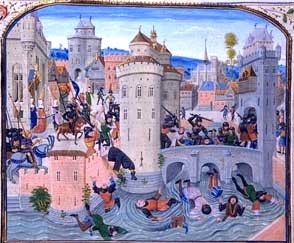 After the Hundred Years War (1339-1453), in France kingdom instability for a long time. The consequences of the war ripercossero on culture and hence the music. C within the art of music moved to England, but especially in Burgundy and Flanders . During this period ( XV sec.) Regained the importance sacred music and singing figured counterpoint and knew a wide spread .
 After the Hundred Years War (1339-1453), in France kingdom instability for a long time. The consequences of the war ripercossero on culture and hence the music. C within the art of music moved to England, but especially in Burgundy and Flanders . During this period ( XV sec.) Regained the importance sacred music and singing figured counterpoint and knew a wide spread .
 src="http://pagead2.googlesyndication.com/pagead/show_ads.js">
Monday, March 20, 2006
House Repossession Land Registry
contrapuntal instrumental music and instruments in the Middle Ages
 During the twelfth century references, descriptions and illustrations of musical instruments are many. This may seem odd considering that most of the compositions were written for voices. However, it was found that in daily practice the compositions were performed by both singers and instrumentalists from with double or substitutions. This explains the fact that, before the sixteenth century, the manuscripts containing instrumental compositions were very few because the author composed his piece for voices, but he was conscious of the fact that same song was also performed by instrumentalists. The most famous codes containing these songs are the oldest manuscript of the fourteenth century containing a dozen dances in preparation monodic (British Museum), Robertsbridge Codex (music for keyboard instruments) and the Codex Faenza (or Code Bonadies). the most authoritative sources for knowledge of instrumental music and medieval instruments are the Treaty of Johannes de Grocheo and Tractatum de Music of Jerome of Moravia.
The most important instrument of the Middle Ages was body . In the XII-XV were shown two different bodies: the portative and positive. Among chordophones remember the Exchequer (or Echiquier) and struck stringed plucked psaltery. Among string instruments include: the crotta (or broken) (the oldest), the fiddle (most common), the rebec and the jig. Among the wind instruments are cited: the trumpet, trombone, cornet in the wood flutes rights and stringers. They were also used the harp and various percussion instruments . 
 During the twelfth century references, descriptions and illustrations of musical instruments are many. This may seem odd considering that most of the compositions were written for voices. However, it was found that in daily practice the compositions were performed by both singers and instrumentalists from with double or substitutions. This explains the fact that, before the sixteenth century, the manuscripts containing instrumental compositions were very few because the author composed his piece for voices, but he was conscious of the fact that same song was also performed by instrumentalists. The most famous codes containing these songs are the oldest manuscript of the fourteenth century containing a dozen dances in preparation monodic (British Museum), Robertsbridge Codex (music for keyboard instruments) and the Codex Faenza (or Code Bonadies). the most authoritative sources for knowledge of instrumental music and medieval instruments are the Treaty of Johannes de Grocheo and Tractatum de Music of Jerome of Moravia.
 The most important instrument of the Middle Ages was body . In the XII-XV were shown two different bodies: the portative and positive. Among chordophones remember the Exchequer (or Echiquier) and struck stringed plucked psaltery. Among string instruments include: the crotta (or broken) (the oldest), the fiddle (most common), the rebec and the jig. Among the wind instruments are cited: the trumpet, trombone, cornet in the wood flutes rights and stringers. They were also used the harp and various percussion instruments .
src="http://pagead2.googlesyndication.com/pagead/show_ads.js">
Thursday, March 16, 2006
Metric System Micrometer
FORMS E I COMPOSITORI DELL'ARS NOVA
compositions French and Italian Ars nova differ in many ways: the first is always a constructive plan that governs the structural elements, while the Italian is more freedom, melodic and rhythmic fuid expanse scan. These characteristics are present in the forms of the time as the madrigals, the hunts and ballads.

compositions French and Italian Ars nova differ in many ways: the first is always a constructive plan that governs the structural elements, while the Italian is more freedom, melodic and rhythmic fuid expanse scan. These characteristics are present in the forms of the time as the madrigals, the hunts and ballads.
Madrigali
: The poetic structure of madrigals, in vogue in the early period of the Ars nova, was as follows: 2 or 3 triplets of the same order of eleven-syllable rhymes were followed by a refrain of heroic verse 2. The madrigals could be 2 or 3 entries. The music of the triplets was the same but varied in the chorus. Hunt: It 's a fee to 2 voices in unison accompanied by an instrumental tenor. The tests cover such topics as hunting, fishing, and market the game.
Ballad: The Ballad represented the most developed form of the Ars nova and Italian dominating the music scene from the mid-fourteenth century . The structure was as follows: recovery of two eleven-syllable verses, 2 feet each with two eleven-syllable verses rhyme identical, once the same as the recovery of two ways, (the first of them rima con l'ultimo, il secondo rima con il primo della ripresa), si ripete la ripresa da capo. Le ballate erano a 2 o 3 voci (cantus, tenor, contratenor).
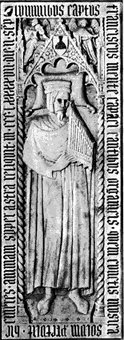 Tra i compositori dell'Ars nova italiana ricordiamo Francesco Landino (Fiesole 1325- Firenze 1397) (a sinistra), chiamato Francesco degli Organi, famoso, oltre che per le sue composizioni, per la grande perizia di esecutore su ogni tipo di strumento e per la sua cultura filosofica e poetica.
Tra gli altri ricordiamo: Bartolino da Padova, Matteo da Perugia, Zaccaria e Giovanni da Genova . La decadenza dell'Ars nova italiana si deve alla mutazione della vita culturale , more sensitive to influences from beyond the Alps. The musician who sanctioned this conclusion was Johannes Ciconia (1335-1411).
src="http://pagead2.googlesyndication.com/pagead/show_ads.js">
Wednesday, March 15, 2006
How Does A Sinus Infection Bring On A Toothache
L'AMBIENTE CULTURALE IN ITALIA DURANTE L'ARS NOVA
 Italy where he was born and grew up the Ars Nova was the fourteenth of new vernacular culture, the culture that is which gave clear signals with the poetry of the Dolce stil novo and the painting of Giotto . As far as literature is certainly the primary source Decameron di Boccaccio : la storia di dieci ragazzi e ragazze che si erano rifugiati in una villa fuori Firenze per scappare alla peste e che si raccontavano novelle e concludevano le loro giornate mettendosi a “cantare e suonare e carolare(danzare)”.
In questo periodo nacque la così detta “ poesia per musica ” che comprendeva madrigali , cacce e ballate . Il maggiore poeta per musica fu Franco Sacchetti (1332-1400) (immagine a sinistra) di cui ricordiamo le ballate “ O vaghe montanine pastorelle ” e “ Innamorato pruno ” e la caccia “ Moving the thought for a grove. " 
 Italy where he was born and grew up the Ars Nova was the fourteenth of new vernacular culture, the culture that is which gave clear signals with the poetry of the Dolce stil novo and the painting of Giotto . As far as literature is certainly the primary source Decameron di Boccaccio : la storia di dieci ragazzi e ragazze che si erano rifugiati in una villa fuori Firenze per scappare alla peste e che si raccontavano novelle e concludevano le loro giornate mettendosi a “cantare e suonare e carolare(danzare)”.
 In questo periodo nacque la così detta “ poesia per musica ” che comprendeva madrigali , cacce e ballate . Il maggiore poeta per musica fu Franco Sacchetti (1332-1400) (immagine a sinistra) di cui ricordiamo le ballate “ O vaghe montanine pastorelle ” e “ Innamorato pruno ” e la caccia “ Moving the thought for a grove. "
src="http://pagead2.googlesyndication.com/pagead/show_ads.js">
Tuesday, March 14, 2006
Electric Recliner Malfunction
L'Ars Nova italiana
The technique of polyphony and counterpoint is also developed in Italy, although much more simp lice than the French one. Italian chapels and cathedrals of the thirteenth century was to cantus planus binary consists of a repertoire of liturgical melody accompanied by another melody that progressed free. Towards the end of this century, however, the musical culture of Northern Italy seems somehow influenced by the French. This comes from the Treaty mensural notation Pomerium in art musicae mensuratae (1321-1326) of the Paduan scholar Marchetto. In these years were written many Latin motets. Almost all of the production period was secular, even if the composers were mostly clergymen. 
The technique of polyphony and counterpoint is also developed in Italy, although much more simp lice than the French one. Italian chapels and cathedrals of the thirteenth century was to cantus planus binary consists of a repertoire of liturgical melody accompanied by another melody that progressed free. Towards the end of this century, however, the musical culture of Northern Italy seems somehow influenced by the French. This comes from the Treaty mensural notation Pomerium in art musicae mensuratae (1321-1326) of the Paduan scholar Marchetto. In these years were written many Latin motets. Almost all of the production period was secular, even if the composers were mostly clergymen.
src="http://pagead2.googlesyndication.com/pagead/show_ads.js">
Monday, March 13, 2006
Buy Aluminum Heatsink In Miami
ALTRI COMPOSITORI FRANCESI DELL'ARS NOVA

Most of the compositions of the time there is the allegorical-satirical poem "Roman de Fauvel " (1316 ), Consisting of about 160 pieces, mostly anonymous, from 33 3-part motets, some conductus , and some other lai. Among the composers are: Jehannot de l'Escurel, Pesstain de Chaillou, Philippe de Vitry (poet also highly appreciated and praised by Petrarch), Jean Vaillant, Pierre des Molins, Solage, Philippus de Caserta.
See also the post on LRRD Nova French at: http://storiadellamusica.blogspot.com/2006/03/lars-nova-francese.html # links
src="http://pagead2.googlesyndication.com/pagead/show_ads.js">
Subscribe to:
Posts (Atom)