 Giovanni Pierluigi Palestrina was born in , the hills of Lazio, in 1524-25 . He stayed on the very important roles: as a singer began in the Chapel of Liberia, was organist and singing teacher in the cathedral of Palestrina and, finally, was master of the Cappella Giulia and singer in the Sistine Chapel of Rome, the city where he lived until the death in 1594.
 Palestrina became famous for his sacred compositions and his use of counterpoint . Palestrina was estimated by both the musical contemporaries, that the after-effects. During the Romantic cult of Palestrina increased dramatically with the publication of his biography by Pope Marcellus.
Palestrina's work consists almost entirely of polyphonic text-latin or, for the holy Catholic choirs for services. He wrote 102 put 4 or 5 entries, fewer than 6 and 8, the best known are: Missa brevis, Iste Confessor, Aeterna Christi Munera, Dies sanctificatus, Salve Regina, Pope wore the collars and Marcelli. The other form was widely used by Palestrina motet , 307 among which he wrote: Super flumina Babylonis, Pueri haebreorum, Song of Songs and the Stabat Mater.
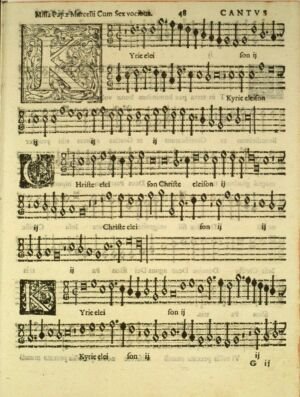 The music of Palestrina to contemporary embodied the religious sentiment of the Counter-Roman and for posterity was one of the purest ideals of harmonious and Catholic sacred music. One of the merits of the creations of Palestrina, and the simplicity of means employed, starting with melodies that are combined into the fabric to the polyphonic harmonies formed by simple sequences of triads, ranged from passing notes and preparations and delays caused by the movement of parts. The discourse of the parties, then, is fluid thanks to a masterly conduct of the parties and contrapuntal combinations of items continually change.


0 comments:
Post a Comment